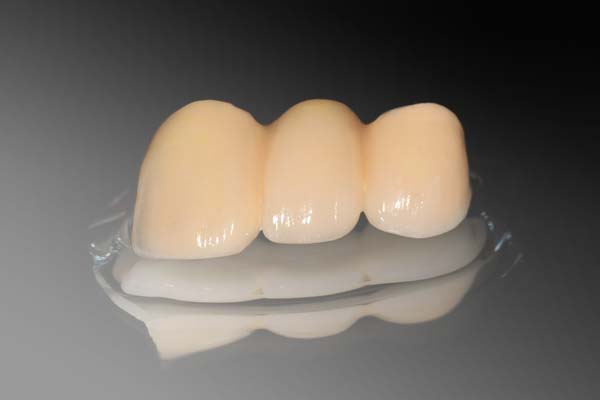
A dental bridge is a valuable solution for individuals with missing teeth, providing functional and aesthetic benefits. If you are considering dental bridges to restore your smile, you will need to determine whether you are a suitable candidate for this treatment.
Let us discuss the factors that determine whether a patient is a suitable candidate for dental bridges, providing insights into the considerations that influence this treatment choice.
The most straightforward criterion for being a candidate for dental bridges is having one or more missing teeth. Dental bridges are meant to "bridge" the gap created by missing teeth, restoring one's ability to chew, speak, and smile with confidence.
Candidates for dental bridges should generally have good oral health. This includes healthy gums and adjacent teeth. If a patient has underlying oral health issues, such as gum disease or extensive decay in adjacent teeth, these must be addressed and resolved before proceeding with dental bridge placement.
Dental bridges rely on adjacent teeth (known as abutment teeth) for support. To be a suitable candidate, a patient needs to have stable and healthy teeth on either side of the gap, as these will serve as anchors for the bridge. The condition of these teeth, along with their strength and structure, is a significant consideration.
Candidates for dental bridges should be committed to maintaining good oral hygiene. This includes regular brushing, flossing, and dental check-ups. Proper care will ensure the longevity of the bridge and the health of the supporting teeth.
The patient's overall health is vital in determining their candidacy for dental bridges. Some medical conditions or medications can impact the success of the procedure. Patients will need to discuss their medical history and any current medications with their dentist to assess their potential effects on the treatment.
Dental bridges come in various types, such as traditional, cantilever, Maryland, and implant supported. The type of bridge recommended will vary depending on the patient's specific case. The dentist will assess their needs and determine the type of bridge that most suits them.
The patient's preferences and expectations play a role in determining whether they are a candidate for dental bridges. They should clearly understand the treatment process, including potential alternatives, costs, and long-term maintenance requirements.
In addition to their functional benefits, dental bridges can serve a cosmetic purpose. If a patient has concerns about the appearance of their smile due to missing teeth, they may be an ideal candidate for a dental bridge. Candidates seeking to regain their self-confidence by achieving a complete and natural-looking smile often find a dental bridge to be an excellent solution.
If you are missing teeth and meet the aforementioned criteria, you are likely a candidate for dental bridges. To determine the best treatment plan for your unique situation, it is essential to consult a qualified dentist who can assess your oral health, discuss your goals, and guide you through the process of getting dental bridges. Contact us today to schedule your consultation.
Request an appointment here: https://brianbelldds.com or call Brian Bell, DDS at (559) 366-9006 for an appointment in our Tulare office.
Check out what others are saying about our dental services on Yelp: Dental Bridges in Tulare, CA.
Invisalign is a popular form of clear aligners treatment. It involves the use of transparent…
Bringing your child to a kid friendly dentist will do wonders for their oral health…
A general dentist is someone who helps individuals maintain a healthy oral cavity, and that…
A cosmetic dentist plays a crucial role in enhancing both the function and appearance of…
Dental crowns are a reliable and durable solution for restoring the appearance and function of…
Benefits of Teeth Straightening from a General Dentist — Teeth straightening from a general dentist…